Replacing missing teeth with permanent fixtures offers life-changing benefits, yet the financial aspect often raises questions. The total expense varies significantly based on multiple elements that patients should consider before making decisions. Each component contributes to the final figure in ways that may not be immediately obvious. Breaking down these factors helps individuals make informed choices about their oral health investment.
This article examines six key elements that determine pricing for the cheapest dental implants in Abu Dhabi.
The role of material quality:
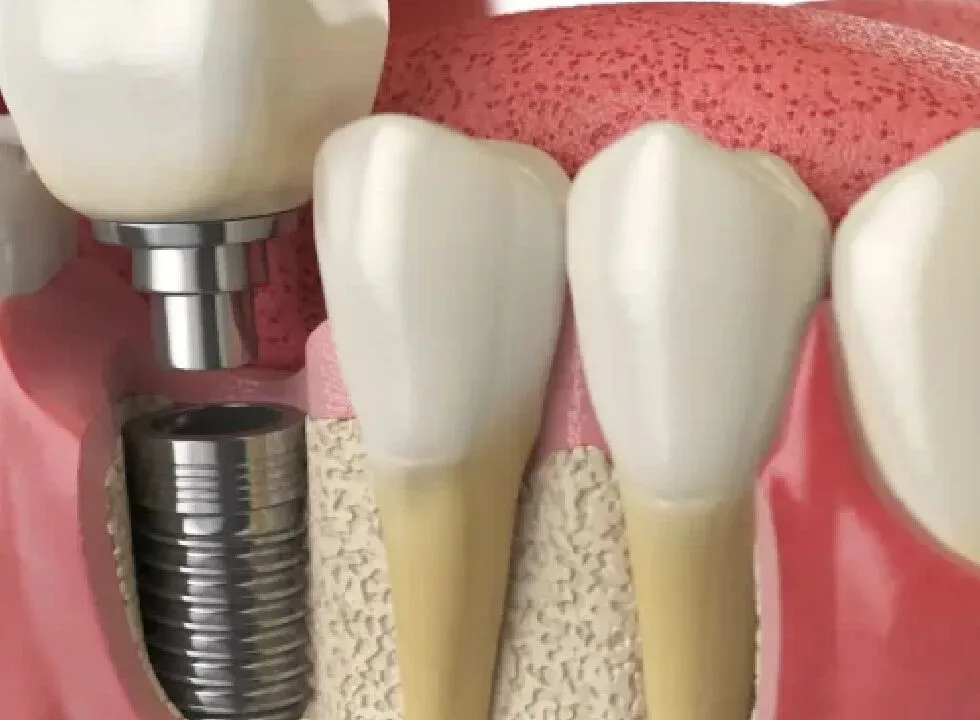
The materials used for the implant fixture and the artificial tooth crown significantly affect overall pricing. Titanium posts remain the industry standard due to their strength and compatibility with bone. Zirconia offers a metal-free alternative that appeals to patients with specific preferences, but this option costs more. The crown material also varies, with porcelain providing a natural appearance at a higher price point.
The surgical procedure’s complexity:
Each patient presents a unique oral anatomy that determines the surgical approach required. Bone density and volume dictate whether a straightforward placement works or if additional procedures become necessary. Sinus lifts, or ridge augmentations, add to the surgical time and overall treatment cost. The number of implants placed during a single session also influences the final bill.
The dentist’s expertise and training:
A practitioner’s skill level and continuing education play a role in determining fees for implant services. Specialists like oral surgeons or periodontists undergo extended training beyond general dentistry. Their advanced knowledge allows them to handle complicated situations with greater confidence. Experienced clinicians often charge higher rates for their refined techniques and predictable outcomes.
The diagnostic imaging technology:
Modern imaging tools provide detailed views of oral structures for precise surgical planning. Cone beam CT scans offer three-dimensional images that show bone quality and nerve locations. These advanced machines cost substantial amounts to purchase and maintain. The information gathered from these scans guides the placement angle and depth with accuracy. This technology reduces surprises during surgery and contributes to successful integration.
The geographic location of the practice:
Regional economic conditions create price variations for dental implant procedures across different areas. Overhead costs such as rent, utilities, and staff salaries change based on local real estate markets. Practices in metropolitan regions face higher operating expenses compared to rural settings. These differences translate into varying fee structures for identical services. The cost of living index in a given area directly correlates with professional service charges.